Is the Hype Around This Brand Justified?: An HMDD Rundown
Streetwear forums and comment sections have been buzzing with one name lately: HMDD. Short for Happy Memories Don’t Die, the brand has been quietly building a cult following among people who want their clothes to carry a message without shouting it. This review breaks down what HMDD actually offers, how it fits into the crowded streetwear market, and whether the attention it’s getting in 2026 is deserved or just algorithm-driven noise. We’ll look at construction, pricing logic, sizing behavior, and how it stacks up against comparable labels. No brand deserves blind praise, so we’ll flag the rough edges too.
What Is HMDD Stand For and From What Origin Did It Arise From?
HMDD, sometimes searched as HMDDLA on account of its Los Angeles roots, brands itself as more than just an apparel label. Its name Happy Memories Don’t Die should be taken at face value: the brand develops its clothing ranges around memory, loss, and the notion that sorrow and happiness can live side by side in a single piece. That kind of emotional angle is rare in a space overrun with logo-first hype brands, which is a major reason HMDD clothing has earned a loyal following instead of shoppers who buy once and disappear.
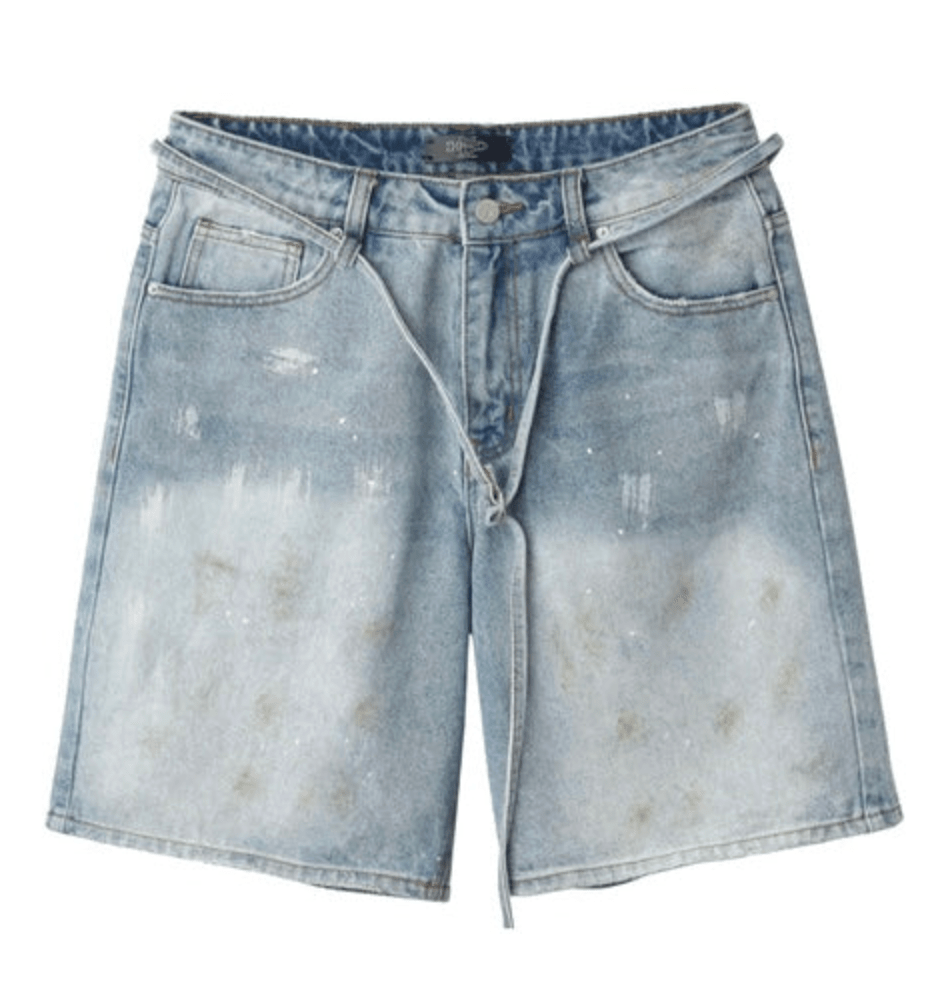
Instead of attention-grabbing items that only work in one fit, the brand’s catalog centers on wearable basics. Typography and small symbolic touches take the place of loud logos across the designs, seen mostly on the hoodies, tees, sweatpants, and shorts, which form the majority of the catalog. This holding back is either a strength or a weakness based on what you have in mind. If you’re after something that rewards closer inspection, it fits the brief. If you want a shirt that screams from across the room, HMDD isn’t built for that.
Will It Stand Up hmdd mesh shorts to Use?: A Look at Craftsmanship & Construction
If the stitching falls apart after three washes, the story doesn’t matter, no matter how good a label’s narrative happens to be. HMDD’s heftier pieces use heavyweight cotton fleece in the 350 to 400 GSM range for hoodies and sweatpants, positioning them closer to mid-to-premium streetwear instead of throwaway fast-fashion labels. With that extra fabric weight, pilling is reduced over time, and it hangs in a way that feels substantial, in-store or when worn.
In high-wear zones like the crotch and pocket bags, the shorts and sweatpants get double stitching, exactly where budget-focused labels tend to cut corners. Reviewers who’ve put the sweatpants through repeated wear cycles report barely any shrinkage after washing in cold water, although drying on a hot cycle is the source of most gripes. HMDD isn’t alone in this, but it’s worth pointing out because dense cotton-fleece fabrics are more sensitive to heat than blends leaning more synthetic.
Depending on the design, printed tees are produced with a combination of screen print and puff print techniques in terms of print quality.
A few flatter screen prints start to crack after a year of everyday use, even though puff-printed graphics hold up better when cared for properly.
Though it’s not a dealbreaker, the premium quality of the clothing isn’t uniformly distributed across the full lineup as a result.
At the Heart of the Range: The HMDD Sweatpants and Shorts Range
If there’s one category where HMDD earns its reputation, it’s loungewear. The HMDD sweatpants are cut with a relaxed taper, roomy through the thigh and narrowing at the ankle, which has become the default silhouette streetwear shoppers expect in 2026. Waistbands use a wide elastic with a drawstring, and most pairs include side pockets deep enough to hold a phone without it bouncing out during movement.
HMDD shorts follow a similar formula but come in two dominant lengths: a shorter 7-inch inseam for warmer months and a longer 9-inch option that functions closer to a cropped pant. Both use the same fleece or French terry base as the sweatpants line, so buyers who like one will likely be happy with the other. Fit consistency between the two categories is a genuine advantage — sizing up or down doesn’t feel like a gamble once you’ve tried one piece from the brand.
- Jogger-style pants: roomy silhouette, tapered ankle, adjustable cord waist, oversized hip pockets
- Shorts: made in 7-inch and 9-inch leg lengths, matching fleece weight to its jogger counterpart
- For the majority of builds, both categories hold to standard sizing, while slight allowance is added at the hips and thighs.
- Colorways rotate each season, with muted shades replenished more often than scarce releases.
Size Info: What to Expect Before You Order
Streetwear brands regularly attract complaints about sizing, since the phrase « relaxed fit » signifies different things depending on whose pattern-cutting is at play. HMDD’s measurement charts lean somewhat oversized compared to typical U.S. sizing norms, which means plenty of customers size down if they prefer a snugger silhouette rather than the brand’s standard boxy cut. Hoodie shoulder seams are deliberately positioned further down the arm, which is deliberate for the streetwear aesthetic but can throw off shoppers buying for the first time expecting a traditional fit.
Sweatpants and shorts are less fussy because the stretch waistband soaks up some of the uncertainty. Still, shoppers over six feet in height have mentioned inseams running slightly short on the joggers, so checking the specific garment measurements rather than trusting the size label alone is the wiser choice. Cross-referencing HMDD’s flat-lay measurements, typically listed on the product listings, against a pair of pants you already own is the most reliable way to avoid a return.
Pricing: Do You Get Your Money’s Worth?
The brand sits in the mid-range streetwear pricing segment. Tees generally land between $35 and $45, hoodie prices span $70 to $95, and joggers or shorts land between $55 and $80 depending on the heft of the fabric and the complexity of the construction. Those numbers aren’t budget-friendly, yet they’re not high-end either — it competes directly with brands that have grown equally loyal followings through emotional narratives and limited-run releases rather than star-studded promotions or big-budget campaigns.
Against fast-fashion pricing, expect to pay about twice as much, but you’re also getting stitching quality and fabric substance that no fast-fashion price point can deliver. Compared to hype-driven luxury streetwear, HMDD is considerably more accessible while still delivering constructed, considered pieces. Whether that math works for you depends on how much you value the emotional branding versus pure utility.
How HMDD Stacks Up Against Comparable Streetwear Labels
Numbers help more than adjectives when deciding where a brand actually lands. The following shows how HMDD measures up to two comparable mid-tier streetwear labels based on publicly listed pricing, fabric weight claims, and return policy windows as of early 2026.
| Metric | HMDD | Similar Brand A | Similar Brand B |
|---|---|---|---|
| Hoodie cost range | $70–$95 | $65–$90 | $80–$110 |
| Sweatpants fabric weight | 350–400 GSM | Weight of 320 GSM | 380 GSM fabric weight |
| Shorts inseam options | 7″ and 9″ | Only available in 6″ | 7″ and 10″ |
| Window for returns | A 30-day period | Within 14 days | 30 days |
| Sizing consistency | Runs slightly large | Accurate sizing | Runs large |
What this comparison reveals is that HMDD isn’t the cheapest or the most premium option on paper, but it maintains a solid position in between with a more generous return period than one rival at least and fabric heft that outperforms the lighter-weight competitors. The added shorts-length choice further increases flexibility than brands locked into a single length.
Brand Trust and Customer Community
Much of the buzz surrounding HMDD stems from how the brand communicates with its audience rather than merely marketing at them. Content built around personal stories, memorial tributes, and fan-shared recollections have built a community that feels more invested than a typical customer base. That sentiment isn’t shared across the board — a portion of customers feel the emotional messaging is overplayed or think it’s mismatched against what are, ultimately, just hoodies and joggers. Such doubt is reasonable and deserves recognition instead of dismissal.
What shouldn’t be overlooked is the pattern of repeat buying reflected in customer reviews. Customers who begin with a single hoodie often return for the matching joggers or another colorway, which points to contentment that goes past a one-time impulse purchase. That kind of retention is harder to fake than a viral marketing moment.
Final Take: Does the Hype Hold Up?
HMDD earns a good portion of its reputation through solid fabric choices, consistent sizing logic across its core categories, and a pricing structure that doesn’t gouge customers for a story. It’s not flawless — print durability varies, tall buyers should double-check inseam lengths, and the emotional branding won’t resonate with everyone. But as a best HMDD clothing pick for 2026, the sweatpants and shorts lines represent the strongest value in the catalog, backed by real construction choices rather than marketing alone. If you’re drawn to the Happy Memories Don’t Die philosophy and want streetwear that holds up physically as well as emotionally, the hype is largely earned rather than manufactured.